Komanche, the Salvadoran streamer born Carlos Mauricio Gómez, has died at 30 in Monterrey, Mexico. His representative, Byron Reyes, confirmed the death after speaking with the family. No official cause has been released, and Nuevo León authorities are investigating. He leaves behind 1.7M Twitch followers, according to Infobae, and one of the biggest events Spanish-language streaming ever produced.
⚡ Key Takeaways
- Komanche (Carlos Mauricio Gómez), the Salvadoran streamer, died at 30 in Monterrey, Mexico. No official cause has been released.
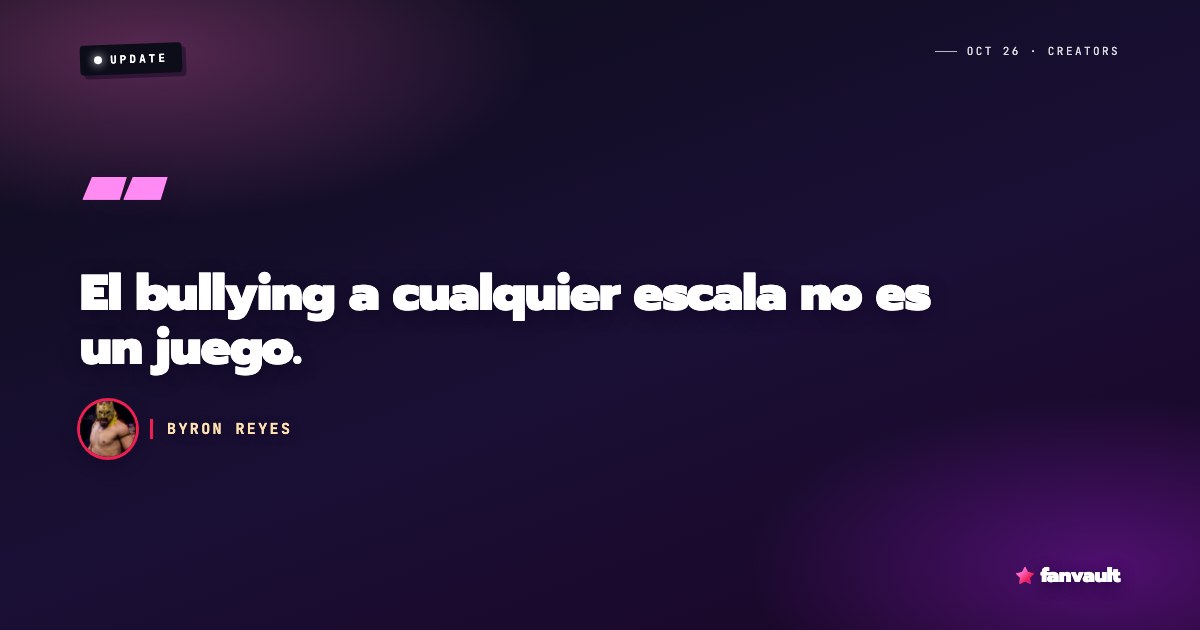
- His representative Byron Reyes confirmed the death and posted that bullying at any scale is not a game, without saying it caused the death.
- He built about 1.7M Twitch followers, 886K on Instagram, and nearly 500K on YouTube, and co-created Squid Craft Games with AuronPlay and El Rubius.
- Coscu, Ibai Llanos, AuronPlay, Spreen, and Westcol all posted tributes. AuronPlay had seen him four days earlier.
- In late September, creators including Fernanda Val accused him of harassment. He denied it, and nothing connects the allegations to his death.
- The takeaway for creators: mental-health care and moderation are working infrastructure at scale, not extras.
What actually happened?
Mexican outlets first reported the death on October 25, and coverage spread across Latin America and Spain the next day, as El Tiempo reported. Initial reports said there were no visible signs of violence. As of Monday, prosecutors had not confirmed the cause, according to Infobae. Anything beyond that is speculation, and we are not repeating it.
Reyes posted a tribute on Instagram that put bullying at the center. He mentioned projects the two still had planned and criticized people who judge others online without knowing them. He did not say harassment caused the death, and nobody else should claim that either.
"El bullying a cualquier escala no es un juego. (Bullying at any scale is not a game.)"
Byron Reyes, Komanche's representative, via Deia
The creator response was immediate. Coscu called out communities that play at being judges of other people's lives and posted that the hate on the platform is infinite, per Big Bang News. Ibai Llanos wrote that he hoped Komanche found the peace he had longed for, per Infobae España. AuronPlay said he had been with him just four days earlier, according to ¡Hola!.
Spreen and Westcol also posted messages. The grief was loud, public, and real.
Why does this matter for creators?
Komanche was not a minor creator. He started streaming on Twitch in 2015 and broke out during the 2020 to 2022 boom. He came up with and co-organized Squid Craft Games with AuronPlay and El Rubius, per Movistar eSports, and it became one of the most-watched Spanish-language events on Twitch. He also built about 886K Instagram followers and close to half a million YouTube subscribers, according to CRHoy.
He was also unusually open about his mental health. In an October 2023 YouTube video, he described five diagnoses, including depression, anxiety, and bipolar disorder, and said he stopped treatment once streaming gave him financial stability, as Infobae reported. He partly tied a 2022 crisis to an online hate campaign. In that video he said, "Debí buscar ayuda y no lo hice" (I should have sought help and I didn't).
That detail is the whole lesson. The moment streaming starts paying the bills is the moment the job gets louder, not easier. Mental-health care, moderation tools, and real distance from the comment section are working infrastructure for anyone at this scale. They are not perks you drop when the money shows up.
What's the bigger picture?
An honest account can't stop at the tributes. In late September, content creators including Fernanda Val publicly accused Komanche of harassment and inappropriate behavior. He denied it in a September 26 video titled "RESPONDIENDO A FERNANDA VAL" and posted messages he said supported his side, per Milenio. Westcol said he had seen the women's evidence and urged them to go to the authorities.
Those allegations were never tested, and nothing in the record connects them to his death. Both things belong in the story. Serious accusations deserve a real process, and a comment-section pile-on is not one. Westcol's instinct (take it to the authorities, not the timeline) is the right one for everyone involved.
Komanche left Twitch in January 2026 for YouTube, Kick, and TikTok. His arc is the modern Latin American streamer arc: massive reach, constant exposure to the crowd, and almost no structure standing between the two. The industry built the stage. It never built the backstage.
A death is never explained by one thing, and this one should not be flattened into a slogan. What creators can take from it is simpler: scale is not protection, and the crowd that lifts you is the same one that never logs off.
If you or someone you know is struggling, help is available. In the US, call or text 988. In Mexico, call Línea de la Vida at 800 911 2000, and in El Salvador or anywhere in an emergency, call 911. In Spain, call 024.
Frequently Asked Questions
Who was Komanche?
Komanche, born Carlos Mauricio Gómez, was a Salvadoran streamer based in Mexico. He started on Twitch in 2015, built about 1.7M followers there per Infobae, and came up with and co-organized Squid Craft Games with AuronPlay and El Rubius. He left Twitch in January 2026 for YouTube, Kick, and TikTok.
How did Komanche die?
No official cause of death has been released. Nuevo León authorities are investigating, and initial reports said there were no visible signs of violence, according to El Tiempo.
Did his team say harassment caused his death?
No. His representative Byron Reyes wrote that bullying at any scale is not a game and criticized people who judge others online, per Deia. He did not directly say harassment caused the death.
How did other streamers react?
Coscu condemned online hate, Ibai Llanos wished him the peace he had longed for, and AuronPlay said he had been with him four days earlier, per ¡Hola!. Spreen and Westcol also posted messages.
Where can someone get help if they are struggling?
In the US, call or text 988. In Mexico, call Línea de la Vida at 800 911 2000. In El Salvador, call 911, and in Spain, call 024.