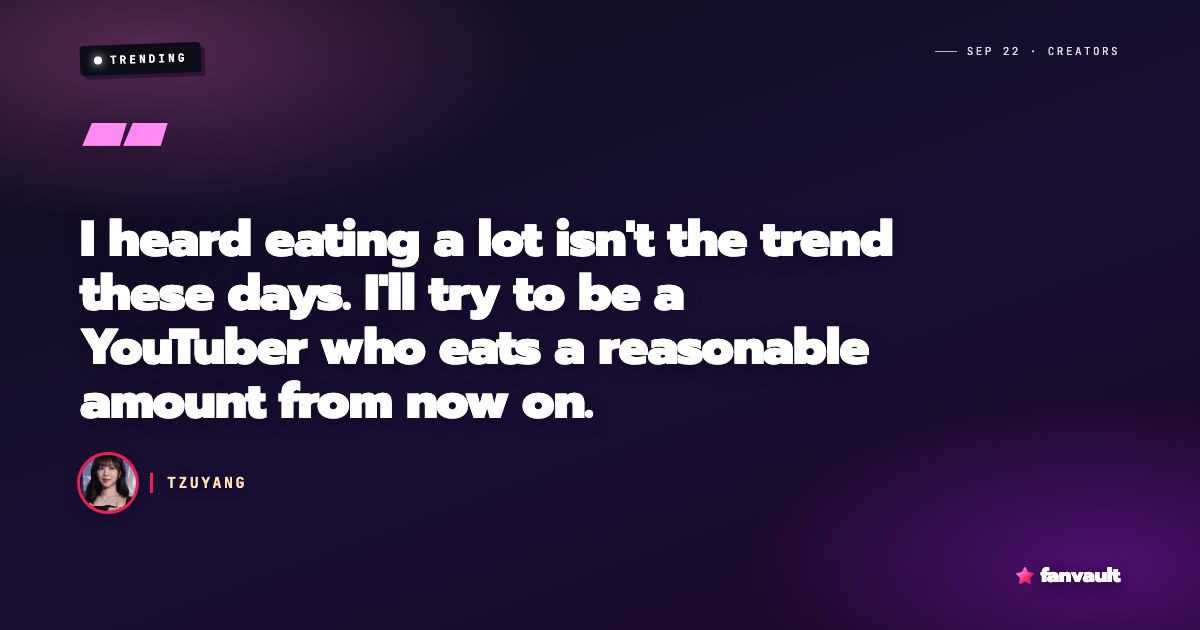
YouTube is now enforcing its eating-disorder ad rules against Korea's food creators, and one diet YouTuber just deleted 339 of her 667 videos to save her channel. Another lost monetization and stopped posting entirely. Then Tzuyang, mukbang's biggest star with 13.5 million subscribers, promised to eat a "reasonable amount" and polished off a market feast anyway. The joke lands because the stakes are real.
⚡ Key Takeaways
- YouTube is enforcing its eating-disorder ad rules against Korean mukbang and diet creators, targeting imitable behavior like binge eating and extreme calorie restriction.
- Diet YouTuber Miso deleted 339 of her 667 videos after a violation notice and a temporary monetization suspension.
- DietJo (about 440,000 subscribers) lost monetization and stopped uploading because she couldn't tell which videos were safe.
- Tzuyang (13.5M subscribers) promised to eat 'a reasonable amount', then ate a full market spread. No outlet has confirmed she's been penalized.
- The lesson: when one platform's ad system is your whole income, one enforcement change can turn it off overnight.
What actually happened?
YouTube is bringing its advertiser-friendly guidelines in line with the eating-disorder rules it added to its Community Guidelines in April 2023, as TechCrunch reported at the time. Content that shows imitable behavior like binge eating, hoarding food, extreme calorie restriction or laxative misuse can lose ad revenue. According to Korea JoongAng Daily, YouTube now weighs a video's potential impact on viewers, not just the creator's intent, and that covers titles, thumbnails and tags too.
DietJo, a food and diet creator with about 440,000 subscribers, said her channel was demonetized and she stopped uploading because she couldn't tell which videos would trigger more penalties, per The Korea Times. Diet YouTuber Miso got a violation notice and a temporary monetization suspension, appealed, then deleted more than half of four years of work, according to Seoul Economic Daily. Her older videos included weight figures and weight-loss routines, the kind of detail the rules now flag.
Then Tzuyang weighed in, in a video filmed at Sinpo Market in Incheon.
"I heard eating a lot isn't the trend these days. I'll try to be a YouTuber who eats a reasonable amount from now on."
Tzuyang, mukbang YouTuber, The Korea Times
She then worked through fried chicken, spicy rice cakes, Korean blood sausage and donuts in her usual style. To be clear, no outlet has confirmed that Tzuyang or Heebab (1.72 million subscribers) have been demonetized. The Korea Times says there's no sign that major creators have been penalized just for eating a lot.
Why does this matter for creators?
Because the people who got hurt first are the ones with the least cushion. Tzuyang has roughly 3.5 billion total views and has been eating on camera since 2018, per Wikipedia. A 100,000-subscriber diet channel has an AdSense account and hope.
The real problem isn't the rule. Protecting at-risk viewers from imitable disordered eating is a defensible goal. The problem is the enforcement: no clear list of which videos cross the line, years-old uploads suddenly counting against you, and creators left to guess.
Miso's response, deleting half a catalog just in case, is what rational behavior looks like when the rules are fuzzy and the penalty is your income. That's not moderation. That's self-censorship by spreadsheet.
"Content which focuses on eating disorders and shares triggers like guides around binging, hiding, or hoarding food or abusing laxatives will not receive ad revenue."
YouTube, ad guideline updates, YouTube Help
Read that line from YouTube Help and then try to decide, video by video, whether a four-year-old weigh-in clip counts. That's the job these creators now have.
Where does this go from here?
Mukbang isn't banned, and The Korea Times is explicit that the policy isn't a blanket ban. But the genre's selling point was always scale, how much one person can eat on camera, and scale is exactly what the new rules make risky. Expect Korean food creators to pivot toward market tours, travel and restaurant formats where the food is the story rather than the quantity. Tubefilter is already covering what the rules mean for the genre's future.
Watch the big channels. If Tzuyang's "reasonable amount" line is a bit, her next uploads will show it. If it's a strategy, she just told a whole genre where the money is going.
What does Fanvault think?
Your income shouldn't live inside someone else's ad policy. YouTube is a great top of funnel, but when one enforcement change can switch off a genre's revenue overnight, you're renting your business, not owning it. Fanvault is built for the other half of the equation: subscriptions, paywalled posts, paid DMs, tips, wishlists and a storefront for authenticated memorabilia, with creators keeping 92% of every sale on an 8% platform fee. Build the audience wherever it grows, then give your real fans a direct line that a policy memo can't cut.
Tzuyang can joke about eating less because she can afford to. Everyone else just learned what happens when a platform decides your content isn't advertiser-friendly and doesn't tell you exactly why.
Frequently Asked Questions
Why are Korean mukbang creators losing YouTube ad revenue?
YouTube is aligning its advertiser-friendly guidelines with the eating-disorder rules it added in 2023. Content showing imitable behavior like binge eating, hoarding food or extreme calorie restriction can become ineligible for ads, according to The Korea Times. YouTube also looks at titles, thumbnails, descriptions and tags.
Has Tzuyang been demonetized?
No outlet has confirmed it. The Korea Times reports there's no indication that major creators such as Tzuyang or Heebab have been directly penalized just for eating large quantities of food. The confirmed damage so far is at smaller diet and food channels.
How many videos did diet YouTuber Miso delete?
Miso deleted
Is YouTube banning mukbang?
No. The policy isn't a blanket ban on mukbang. It restricts ad revenue for content that could encourage disordered eating, which puts formats built around eating huge quantities at higher risk.